
Essential Tips for Off-Season Pool Maintenance
Maintaining your in-ground pool during the off-season is crucial for ensuring its longevity and functionality. While many pool owners may think that once the swimming season ends, their responsibilities diminish, the truth is that proper off-season care is essential. This blog post will explore the importance of ongoing chemical testing and maintaining balanced water
chemistry, along with practical tips for effective pool maintenance.
Understanding the Importance of Off-Season Maintenance
When the temperatures drop and swimming becomes a distant memory, it can be tempting to neglect your pool. However, failing to maintain your pool during the off-season can lead to a host of problems, including algae growth, equipment damage, and costly repairs.
Regular maintenance during the colder months helps to prevent these issues, ensuring that your pool is ready for use when the warm weather returns.

Ongoing Chemical Testing
One of the most critical aspects of off-season pool maintenance is ongoing chemical testing. Regularly testing your pool water allows you to monitor its chemical balance, which is essential for preventing algae growth and ensuring a safe swimming environment.
Why Chemical Balance Matters
Maintaining the right chemical balance in your pool water is vital for several reasons:
Algae Prevention: Unbalanced water chemistry can lead to algae growth, which can quickly turn your pool into a green, murky mess. Regular testing helps you catch imbalances before they become a problem.
Equipment Protection: High or low pH levels can cause corrosion or scaling in your pool equipment. By keeping your water chemistry balanced, you can extend the life of your pumps, filters, and heaters.
Safe Swimming Conditions: Properly balanced water ensures that your pool is safe for swimming. High levels of chlorine or other chemicals can lead to skin irritation and other health issues.
How to Test Your Pool Water
Testing your pool water is simple and can be done using a variety of methods:
Test Strips: These are easy to use and provide quick results. Simply dip the strip into the water and compare the colors to the chart provided.
Liquid Test Kits: These kits offer more precise measurements and can test for multiple chemicals at once. Follow the instructions carefully for accurate results.
Professional Testing: If you're unsure about testing your water yourself, consider taking a sample to a local pool store for professional analysis.
Ensuring Chemistry is Balanced
Once you've tested your pool water, the next step is to ensure that the chemistry is balanced. This involves adjusting the levels of various chemicals to meet the recommended standards.
Key Chemicals to Monitor
pH Levels: The ideal pH level for pool water is between 7.2 and 7.8. If your pH is too low, add a pH increaser; if it's too high, use a pH decreaser.
Chlorine Levels: Maintaining a chlorine level of 1-3 ppm (parts per million) is essential for sanitizing your pool. If levels are low, add chlorine; if they're too high, allow the chlorine to dissipate naturally.
Alkalinity: Total alkalinity should be between 80-120 ppm. Adjusting alkalinity helps stabilize pH levels.
Calcium Hardness: This should be maintained between 200-400 ppm to prevent corrosion and scaling.
Regular Maintenance Schedule
To keep your pool water balanced, establish a regular maintenance schedule. Testing your water weekly during the off-season is a good practice. This allows you to catch any imbalances early and make necessary adjustments.

Filter Cleaning and Equipment Care
In addition to chemical testing, maintaining your pool equipment is essential during the off-season. Regular filter cleaning and equipment checks can prevent costly repairs and ensure that your pool is ready for use when the season returns.
Cleaning Your Filter
Your pool filter plays a crucial role in keeping your water clean and clear. During the off-season, it's important to clean your filter regularly to ensure optimal performance.
Backwashing: If you have a sand or DE filter, backwash it according to the manufacturer's instructions to remove debris and contaminants.
Cartridge Filters: Remove and clean cartridge filters with a hose to remove dirt and debris. Soaking them in a filter cleaner can also help.
Check for Damage: Inspect your filter and other equipment for any signs of wear or damage. Addressing these issues now can save you time and money later.
Conclusion
Maintaining your in-ground pool during the off-season is not just about keeping it clean; it's about ensuring that it remains a safe and enjoyable space for you and your family. By committing to ongoing chemical testing, balancing your water chemistry, and caring for your pool equipment, you can prevent costly repairs and ensure that your pool is ready for the next swimming season.
Remember, a little effort during the off-season can go a long way in preserving your investment and enhancing your pool experience. So, take the time to implement these essential tips for off-season pool maintenance, and enjoy peace of mind knowing your pool is in great shape.
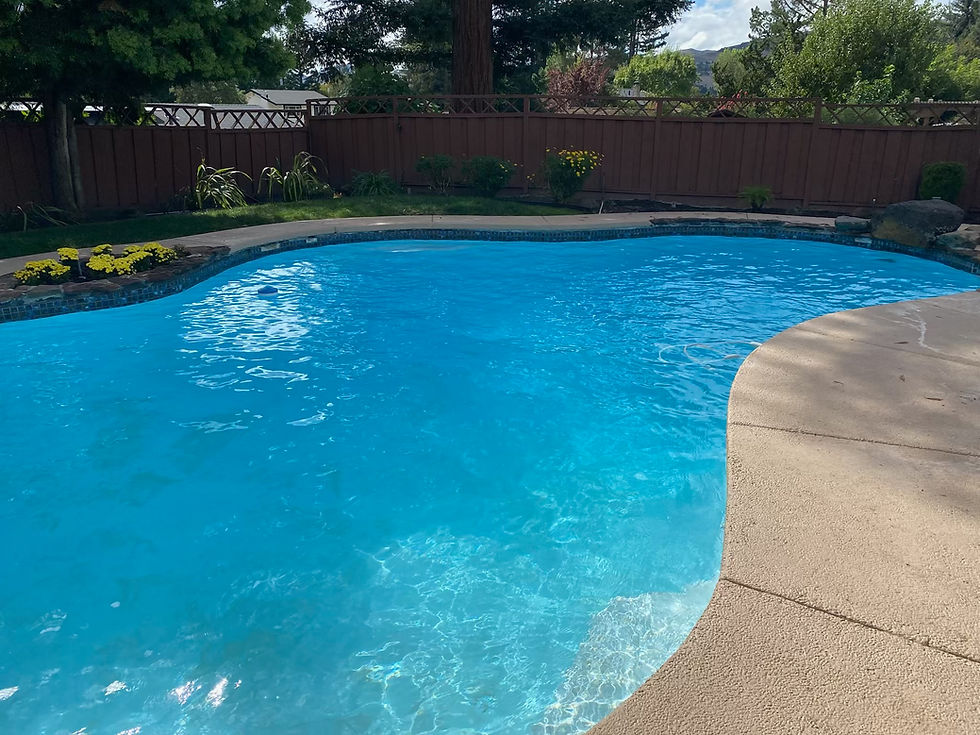
By following these guidelines, you can ensure that your pool remains a beautiful and functional part of your home for years to come.


Comments